Copenhagen is one of those cities that is particularly well suited to exploring on foot. The centre is compact, the streets are pleasant to walk, and many of the city's best-known sights can be linked together into one surprisingly easy route.
I had just one full day in Copenhagen, so I wanted an itinerary that would let me see the highlights while still having time to enjoy the city — and, of course, stop for photographs along the way.
My route took me from the colourful waterfront of Nyhavn, through royal Copenhagen and the old city, before finishing among the canals and rooftops of Christianshavn.
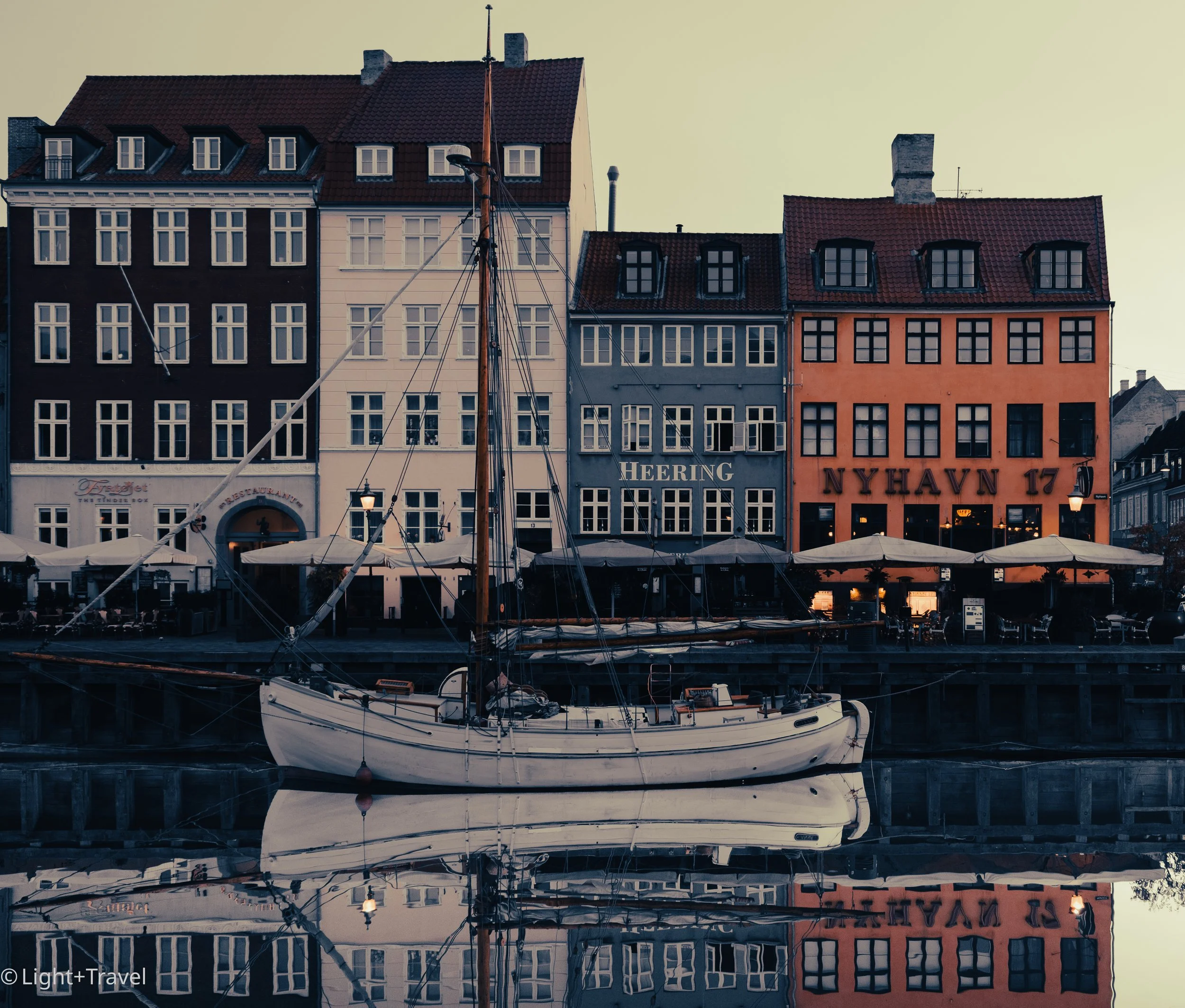
Nyhavn in early morning
Start early at Nyhavn
There probably isn't a more obvious place to begin a first visit to Copenhagen than Nyhavn. The colourful 17th- and 18th-century buildings lining the canal are one of the defining images of the city. Restaurants and cafés now occupy much of the waterfront, while old wooden boats fill the canal itself.
I arrived early in the morning, which I would strongly recommend. Later in the day Nyhavn becomes one of the busiest places in Copenhagen. Early in the morning, however, it is much quieter and you can actually appreciate the waterfront without fighting your way through crowds.
For photography, the difference is even greater. The combination of softer morning light, colourful façades and reflections on the water made this an ideal start to the day.
Amalienborg Palace
From Nyhavn, it is only a short walk to Amalienborg Palace, the home of the Danish royal family. The palace isn't a single building but four almost identical classical palaces arranged around a large octagonal square. Even if you don't go inside, the square itself is worth seeing. It feels spacious and surprisingly understated compared with some of Europe's more extravagant royal palaces. And from Amalienborg, you can't really miss the enormous dome rising behind the surrounding buildings.
The Marble Church
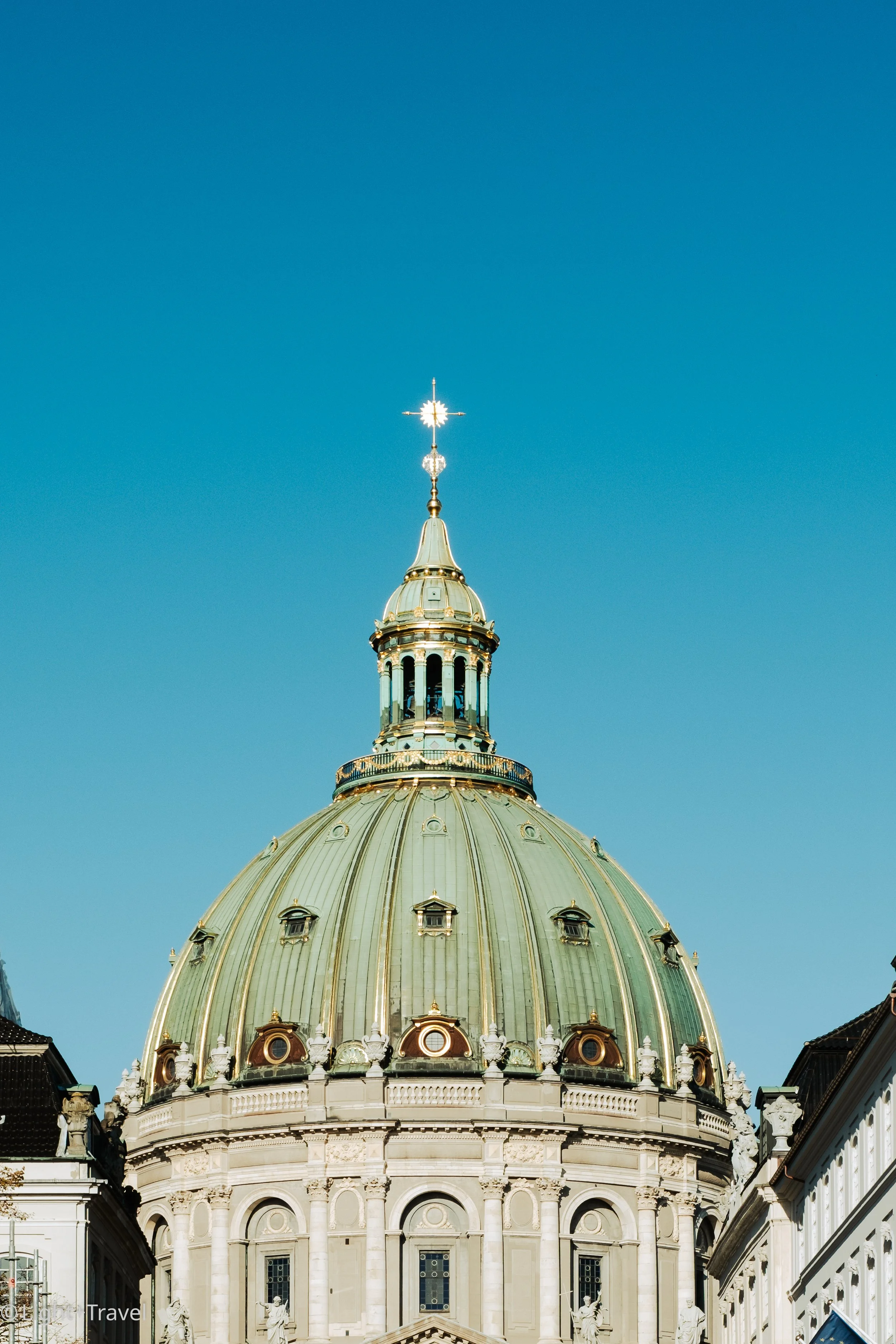
Just a few minutes away is Frederik's Church, much better known as the Marble Church. Its huge green dome dominates this part of Copenhagen and provides a striking contrast with the relatively restrained architecture of Amalienborg. Because the two are so close together, it makes sense to treat them almost as a single stop rather than separate attractions. From here, I continued north towards the waterfront.
The Little Mermaid
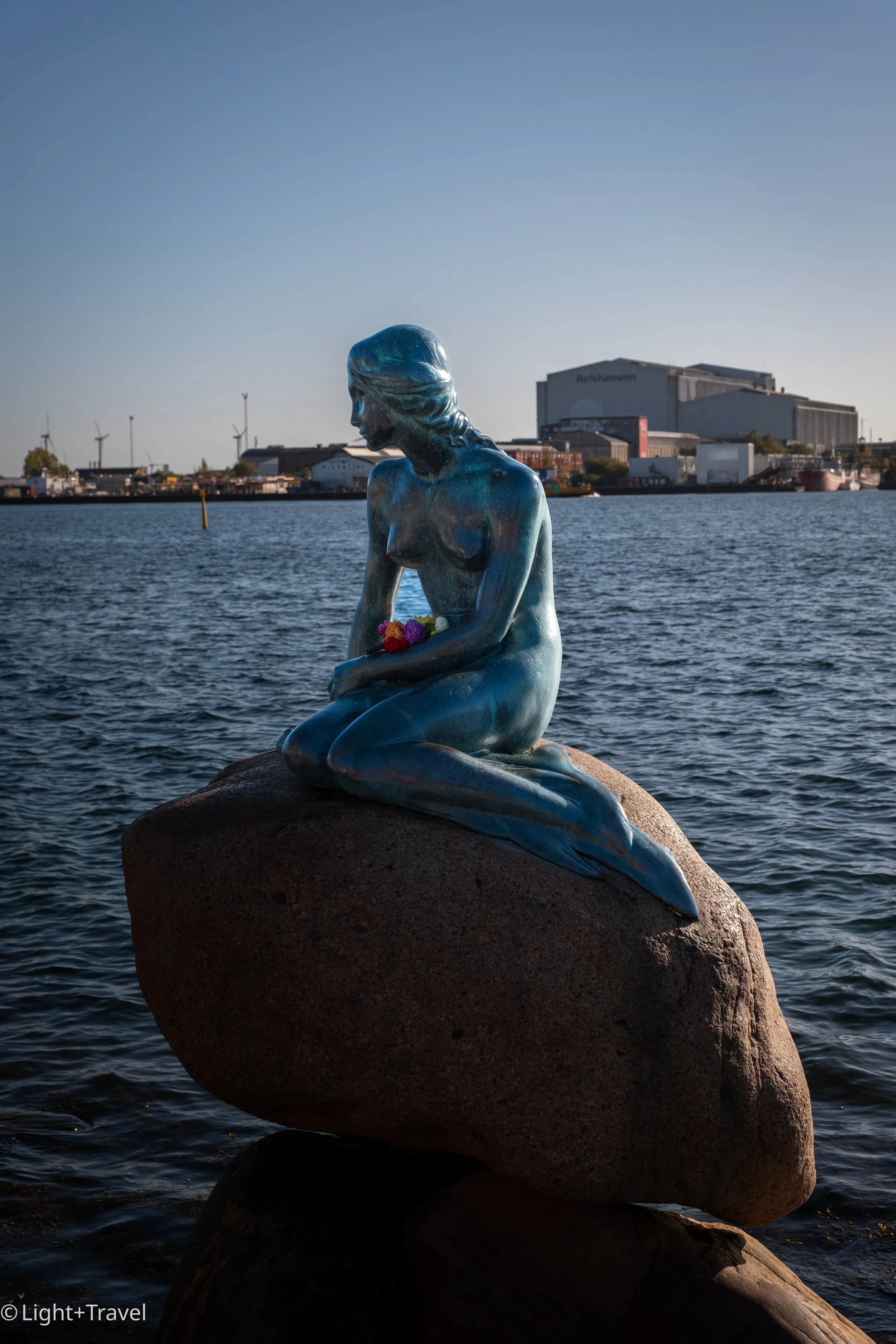
No first visit to Copenhagen would be quite complete without at least seeing The Little Mermaid. And yes — she really is quite small.
The statue is probably more interesting for its cultural significance than for its size, and I wouldn't recommend crossing the entire city solely to see it. But that's not necessary with this itinerary. The Little Mermaid sits naturally along the walking route north from Amalienborg and close to Kastellet, making it an easy stop for a photograph before continuing.
Walk through Kastellet
Right beside the Little Mermaid is Kastellet, Copenhagen's remarkably well-preserved star-shaped fortress. Kastellet is still an active military area, but much of it is open to the public. Its grassy ramparts, red buildings, paths and historic windmill make it a pleasant place to walk through rather than simply another attraction to photograph and leave. From here, I turned back towards the centre of Copenhagen.
Rosenborg Castle
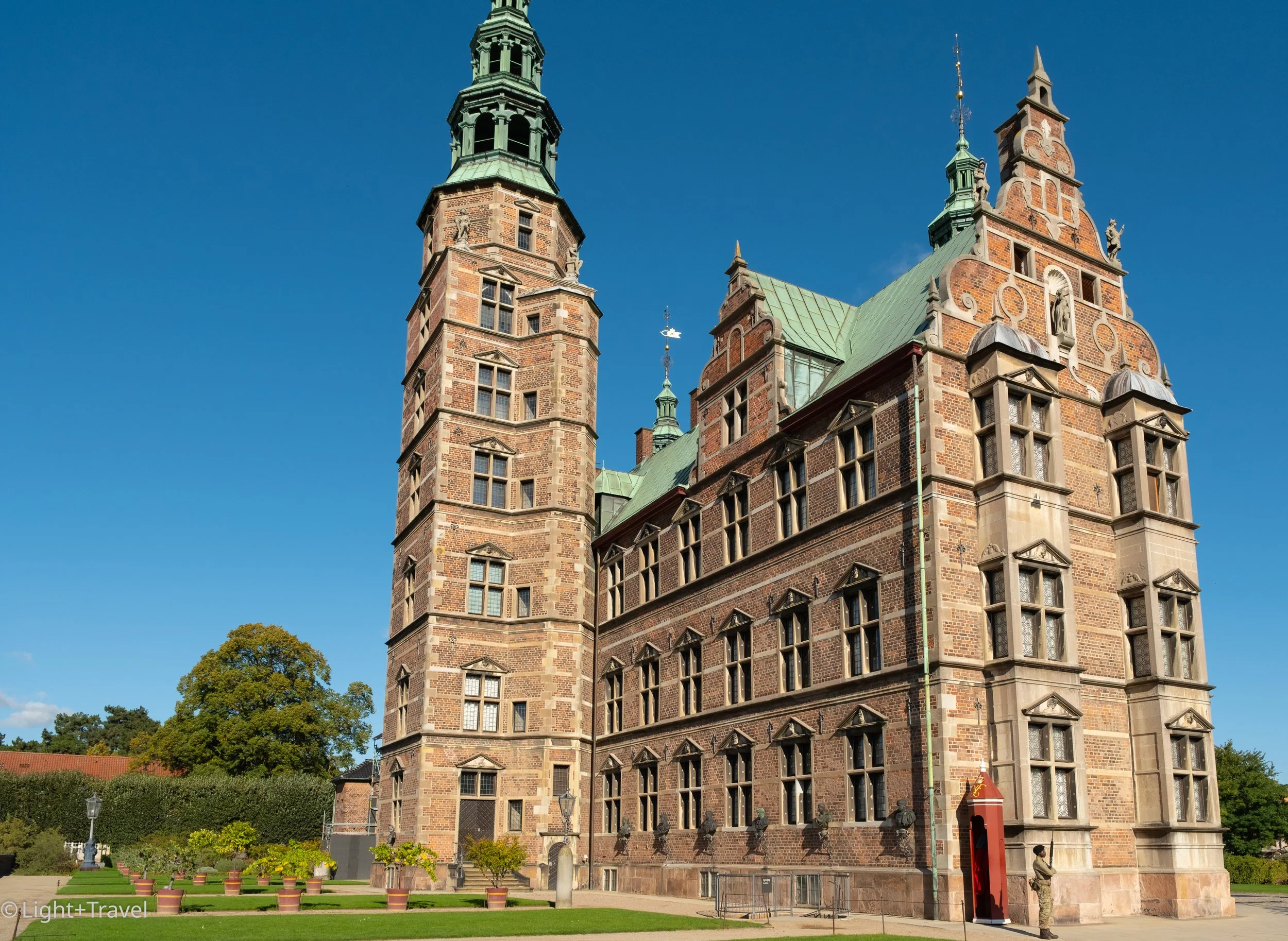
The next major stop was Rosenborg Castle, surrounded by the King's Garden. With its towers, red brick and Renaissance architecture, Rosenborg looks very different from the more formal Amalienborg Palace. Even if you don't have time to explore the interior, the castle and gardens are worth including in a one-day walk. The King's Garden also provides a welcome stretch of greenery in the middle of the itinerary.
And conveniently, one of Copenhagen's best places for a food stop is only a short walk away.
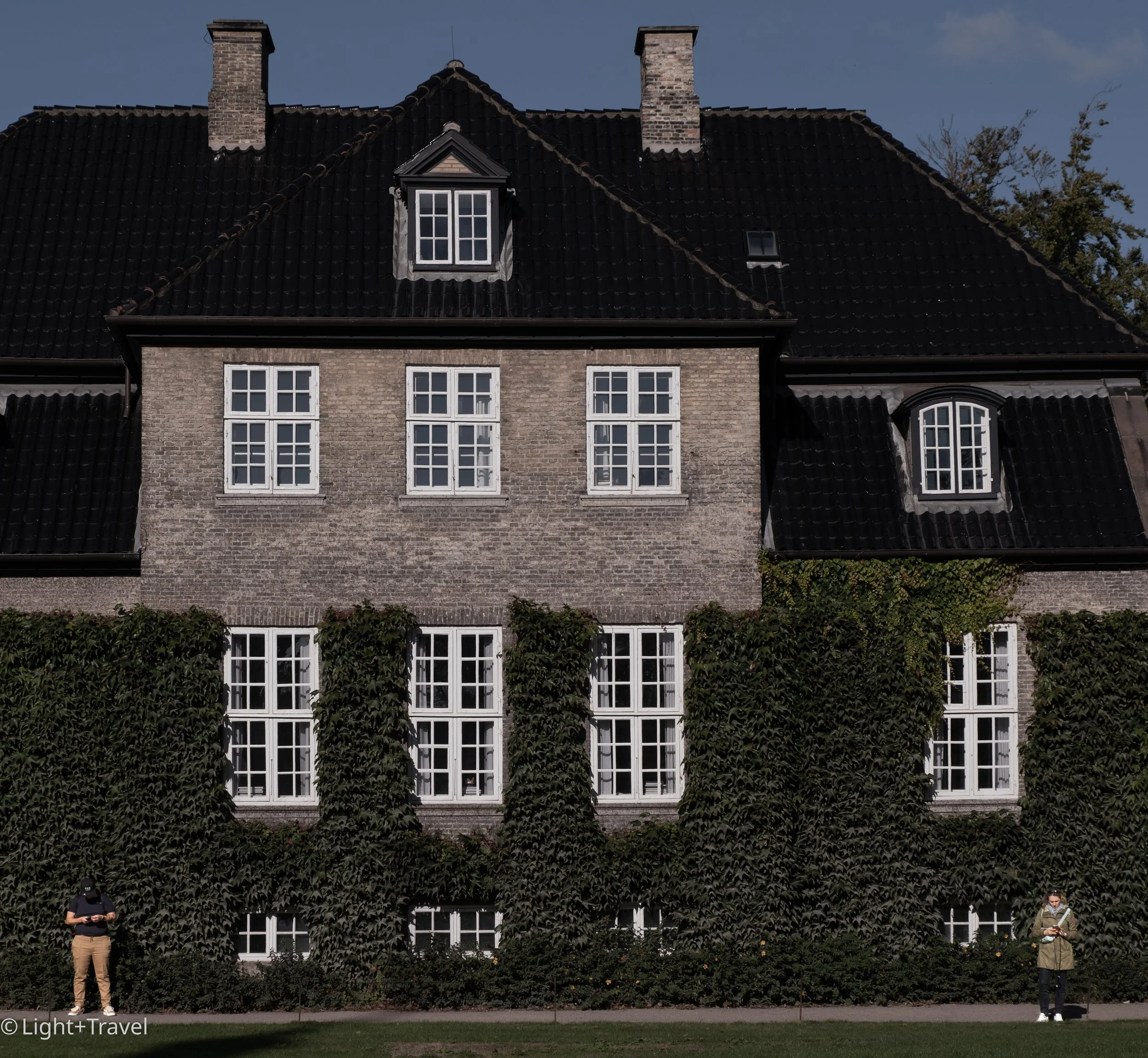
A food stop at Torvehallerne
After several hours of sightseeing, Torvehallerne was perfectly timed. Located beside Nørreport, Torvehallerne consists of two modern glass market halls filled with food stalls and specialist shops. This is the sort of place where it's difficult to walk around without becoming hungry.
You'll find Danish specialities alongside bakeries, coffee, cheese, seafood, fresh produce and food from much further afield. It's an easy place to grab something quickly without turning lunch into a long restaurant stop. I particularly liked, and recommend, Hallernes Smørrebrød.
More importantly, Torvehallerne fits naturally into this walking route. You don't need to make a special detour: it's almost on the way from Rosenborg towards the historic centre.
The Round Tower
Refuelled, I continued towards the Round Tower — Rundetaarn. Built in the 17th century as an astronomical observatory, it is one of Copenhagen's most distinctive historic buildings. Instead of a conventional staircase, much of the way towards the top follows a wide spiral ramp.
The tower is also right in the middle of Copenhagen's old centre, so even if you don't spend long here, the surrounding streets are worth exploring.
From here, it was time to join Copenhagen's best-known pedestrian street.
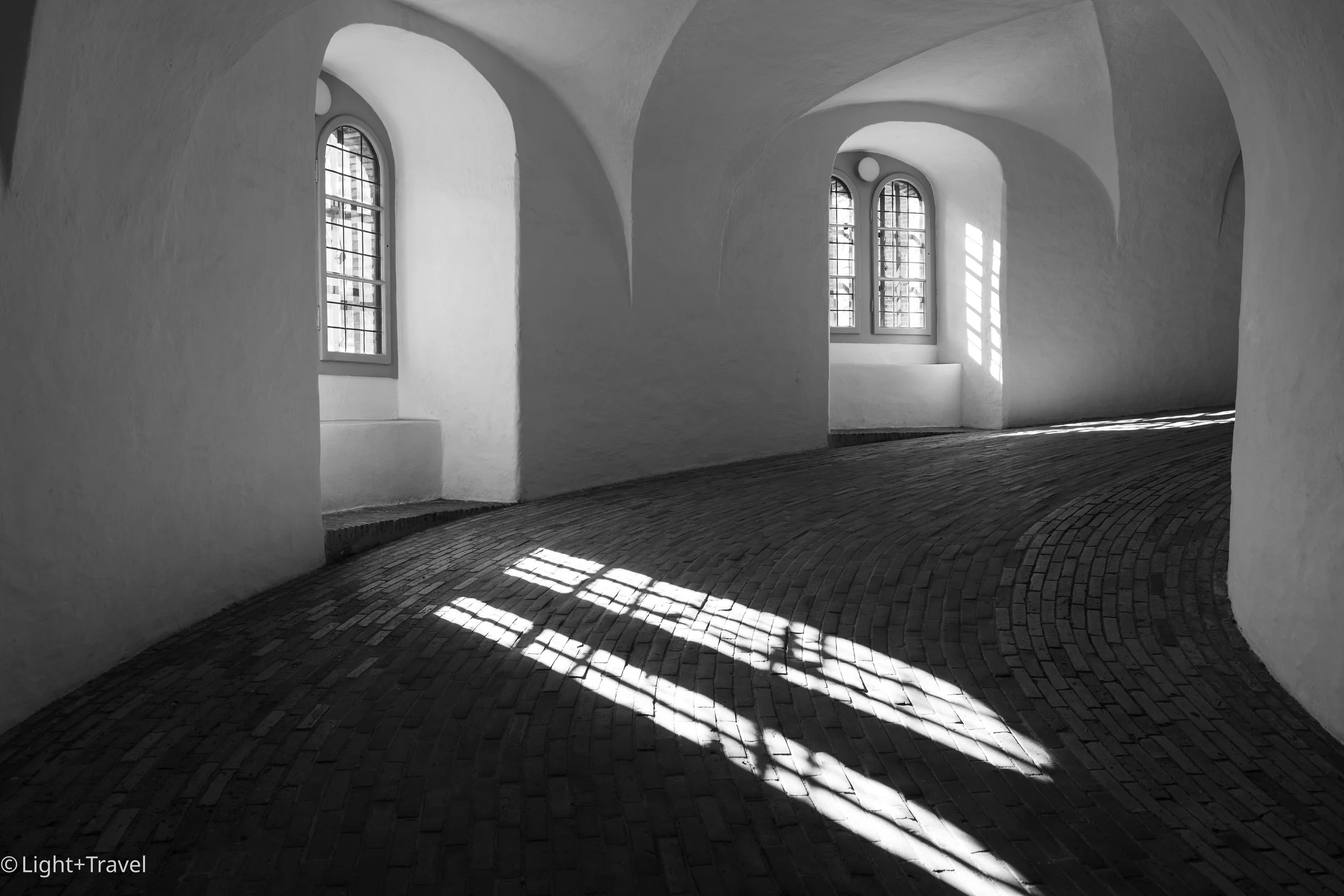
The Round Tower
Walk along Strøget
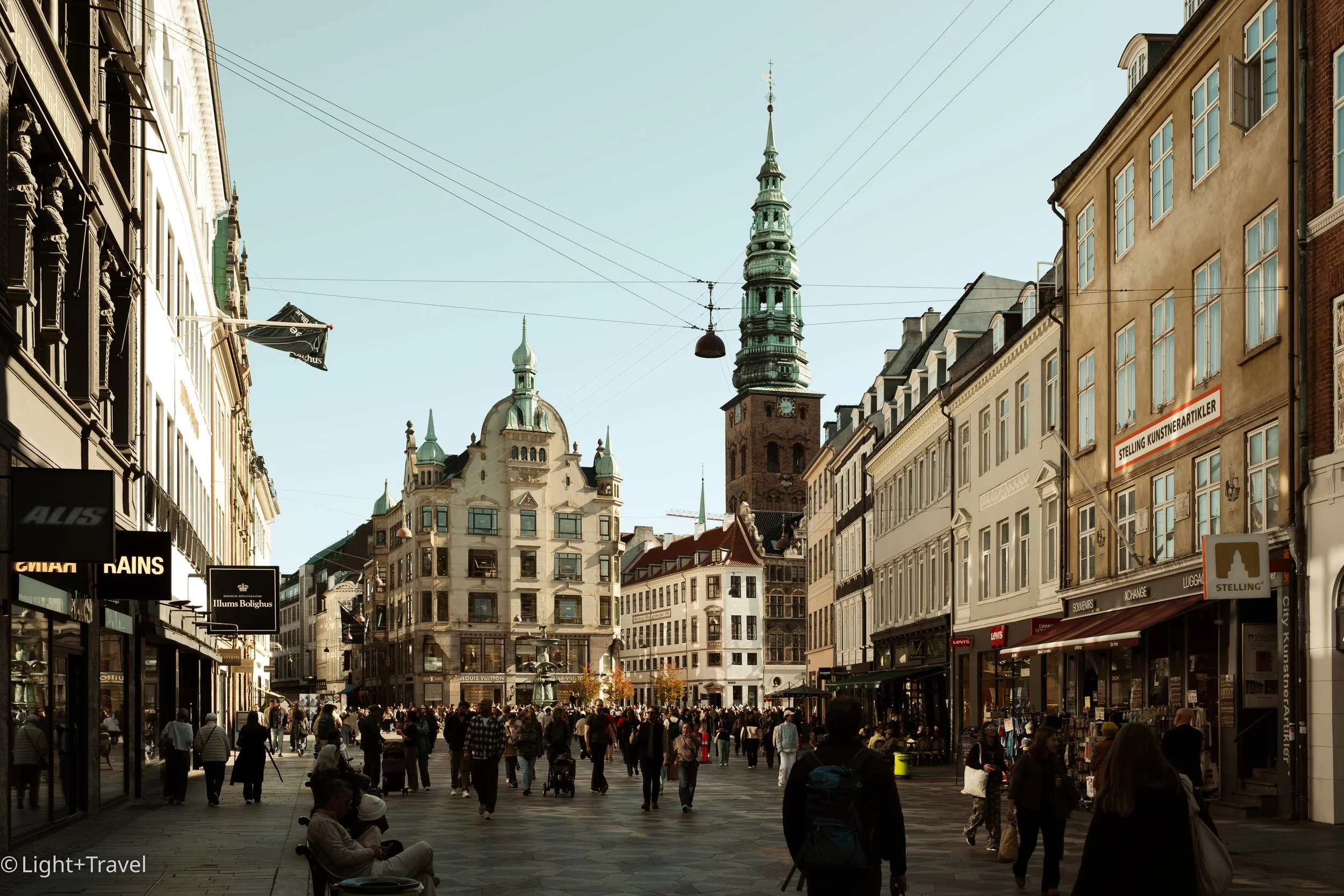
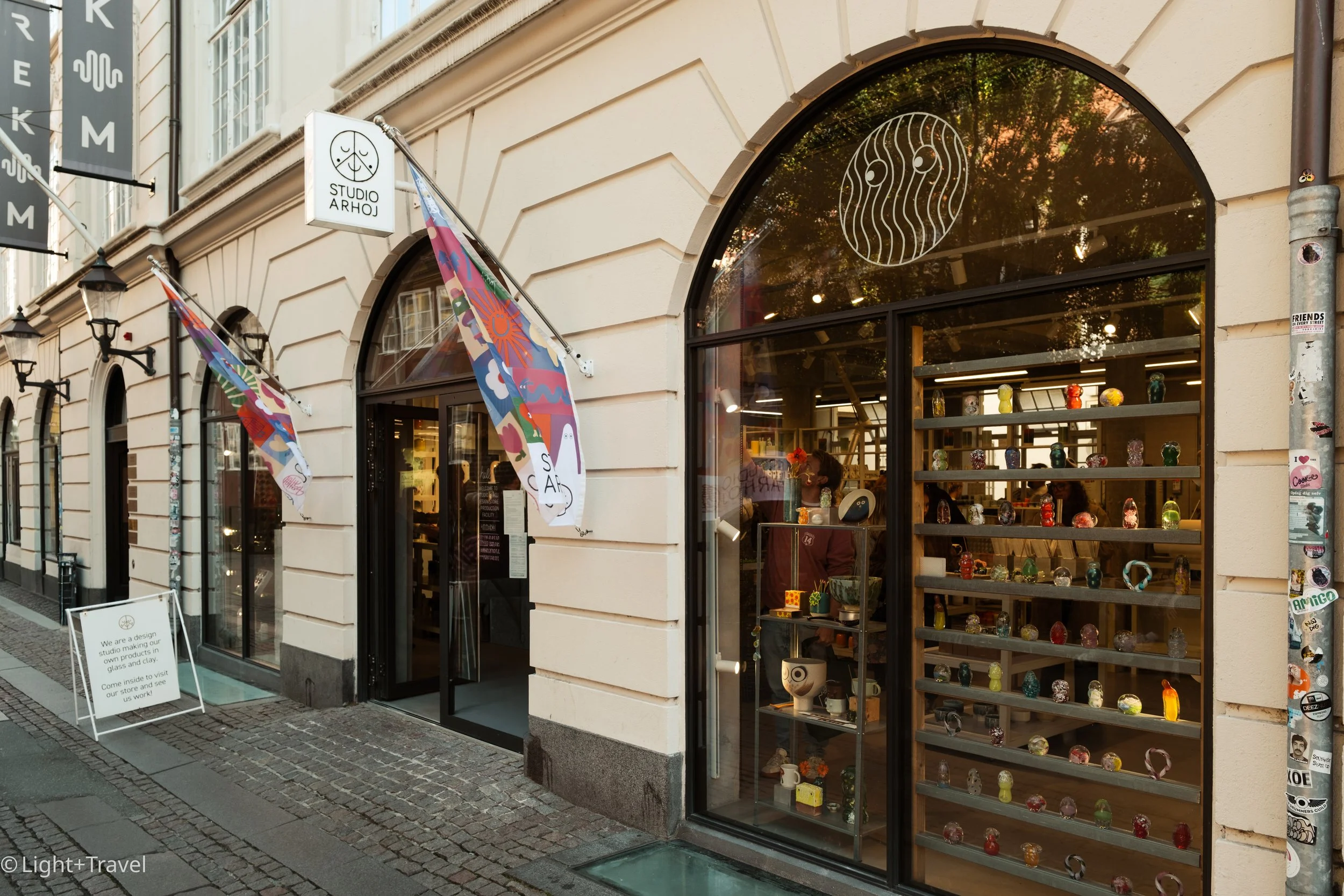
Strøget runs through the heart of central Copenhagen and is often described as one of Europe's longest pedestrian shopping streets. You'll find all the major international brands here, but shopping wasn't really the point of including it in my route. Walking along Strøget is simply an easy way to experience the busy centre of Copenhagen while moving towards the southern part of the city. It's also worth occasionally leaving the main street and looking down the smaller side streets. Copenhagen is often at its most attractive when you move a little away from the obvious route. There is a really nice Ceramics Studio where you can actually see how the items are made and placed in the furnace!
Christianshavn Canal
After the grand palaces and busy shopping streets of central Copenhagen, Christianshavn felt different. The area is built around canals lined with colourful buildings, houseboats and old warehouses, giving parts of it an almost Amsterdam-like feel.
Rather than having one specific attraction to see, this was somewhere I enjoyed simply walking. The route alongside Christianshavn Canal is particularly photogenic, and it was a good place to slow down after covering so much of Copenhagen earlier in the day.
Church of Our Saviour
The next stop was the Church of Our Saviour, famous for the extraordinary spiral staircase winding around the outside of its tower.
The golden staircase becomes narrower as it climbs towards the top, eventually reaching a point high above Copenhagen's rooftops.
If the weather is good — and you're comfortable with heights — climbing the tower makes a fitting end to a day exploring the city.
From the top, much of the route you've just walked suddenly makes sense: the old centre, church towers, canals and Copenhagen's low skyline spread out below.
And after spending the entire day seeing Copenhagen at street level, finishing by looking down over the city seems particularly appropriate.
Tivoli Gardens
The final stop should be the Tivoli Gardens. Unfortunately, during my visit these were closed, but you may want to have a look at them.